








SCHULTE.

Change should actually change something.

A controversial position in the personal development industry, apparently.

I help business owners and managers change what hasn't changed, despite everything they've already tried.

I'm Lukas Schulte. I'm interested in how people change, why they so often don't, and why some of the advice we're given is complete bullshit. Welcome to SCHULTE.

Lukas Schulte in a camel coat, standing by a window and smiling
Considerably less serious than this coat suggests.
Clients and audiences include
10+years of changing people
2,000+clients
10+countries

What clients say happened next.

I'd rather they tell you than I do. They're also considerably less modest about it.

5.0 out of 5 on ProvenExpert, from 44 reviews.Read the reviews

Individual results. Yours will be yours.

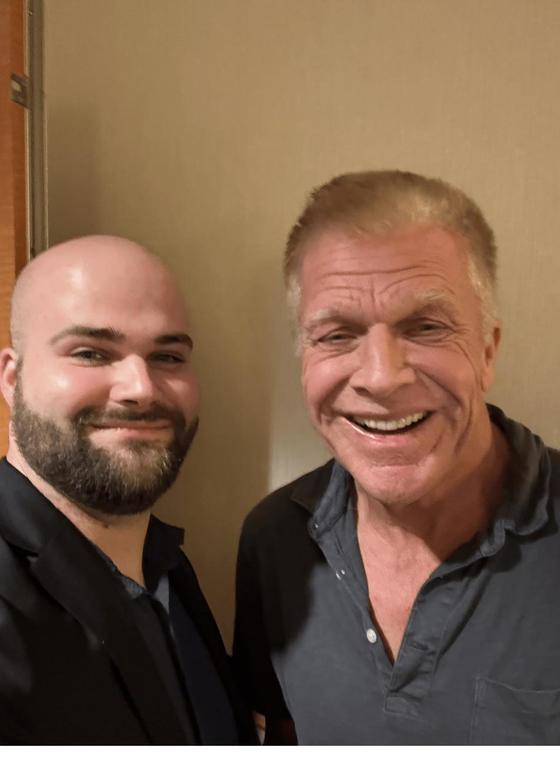
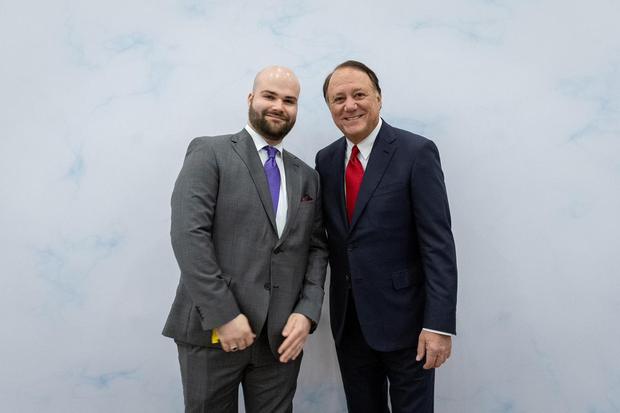
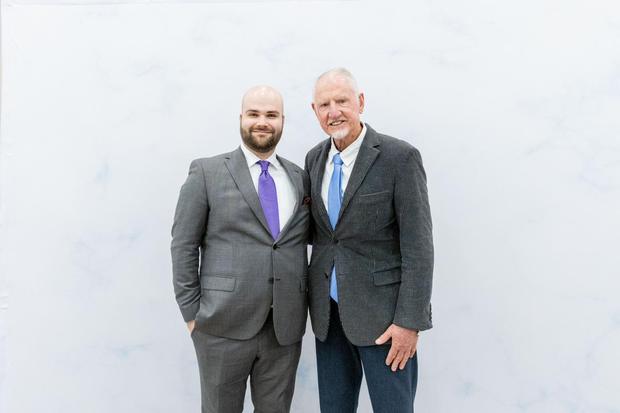
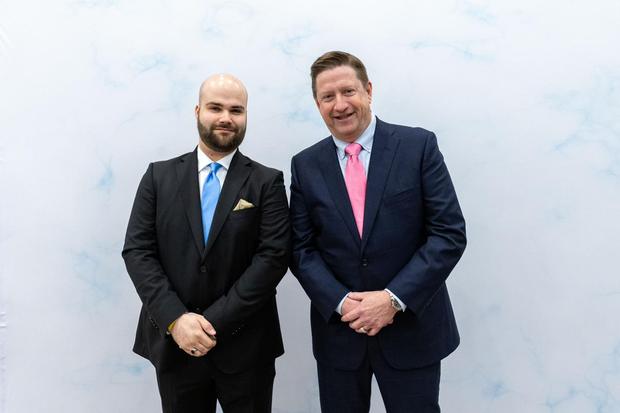
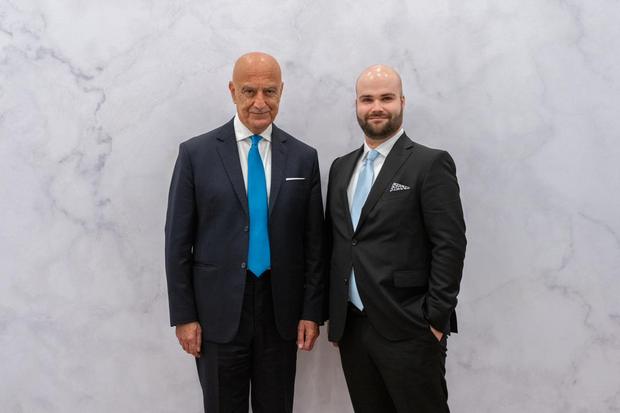
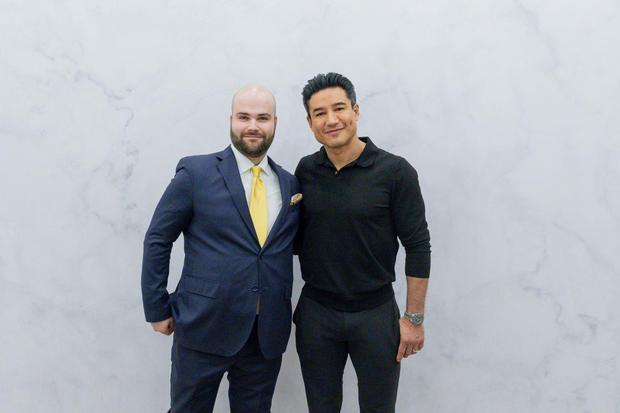
Along the way I've shared stages and conversations with some remarkable people. I'm told name-dropping is vulgar, so here are some names.

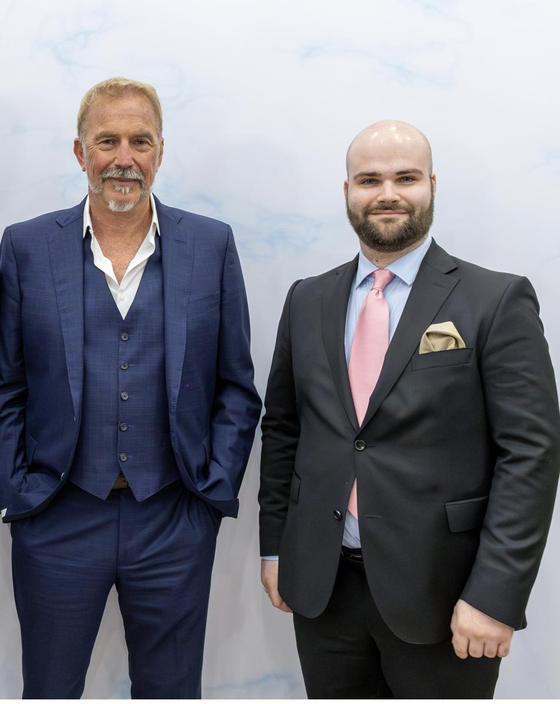
Lukas Schulte with Kevin Costner
Kevin CostnerActor
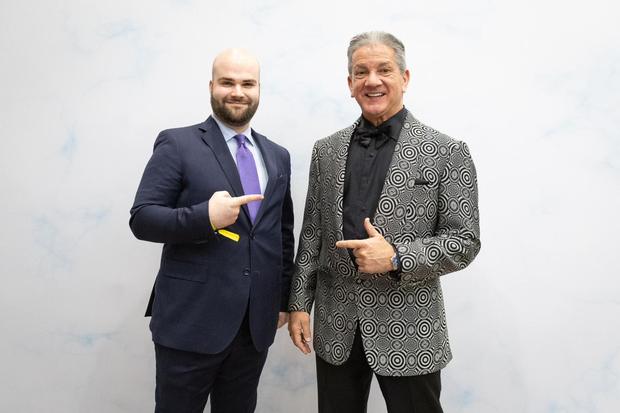
Lukas Schulte with Bruce Buffer
Bruce BufferThe voice of the UFC
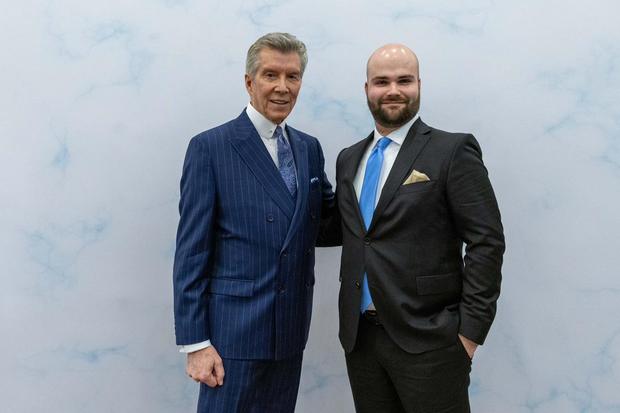
Lukas Schulte with Michael Buffer
Michael BufferThe voice of boxing
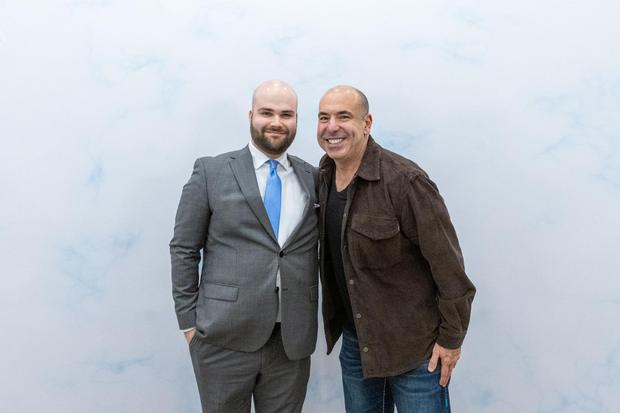
Lukas Schulte with Rick Hoffman
Rick HoffmanActor, Louis Litt in Suits
Lukas Schulte with Mike Slade
Mike SladeLongtime advisor to Steve Jobs
Lukas Schulte with Jim Keyes
Jim KeyesFormer CEO, 7-Eleven and Blockbuster
Lukas Schulte with Brian Smith
Brian SmithFounder of UGG
Lukas Schulte with Adam Coffey
Adam CoffeyCEO and bestselling author
Lukas Schulte with Ziad Makhzoumi
Ziad MakhzoumiFormer CFO, Arabtec Holding
Lukas Schulte with Mario Lopez
Mario LopezTV host and actor

You've done the work. And yet, here it is.

The business owners and managers who end up working with me are rarely beginners. They've read the books, hired the agency, done the course, downloaded the app and booked the strategy day. Most of them are very good at what they do, which is precisely what makes it so irritating.

  • You explain your fear of flying so precisely at dinner that someone asks whether you studied psychology. Then you book the train.
  • The agency report says impressions are up 38 per cent. Your bank account doesn't seem to have read it.
  • The Zoom call starts at nine, and at 8:55 you're reading your session notes one more time.
  • There's a folder on your desktop called Strategy_FINAL_v3. Nothing in it has happened.
  • Your meditation app congratulates you on a 41-day streak. On day 42 the thing is still there, rather rudely.
  • You know exactly why you do it. You'd just like to know why the fuck you're still doing it.

If more effort, more information or another method were going to fix it, it would probably have fixed it by now.

You're clearly not lazy.

Very often the answer you've been applying belongs to someone else's mind, someone else's business or someone else's clients. I'd rather look at what's actually happening with you, and work from there.

Three ways I work.

They're equally important, and nobody needs all three. Most people need exactly one, and we'll work out which in the first conversation.

Coaching

Personal change

For business owners and managers whose fears, stress, reactions or patterns have stayed, despite everything they've already tried.

How coaching works

DARK HORSE

Business change

Consulting for business owners and managers who are excellent at the work and increasingly puzzled by why the business isn't working the way it should.

How DARK HORSE works

Training

The skill of creating change

For coaches, trainers and practitioners who know plenty of techniques and want to become seriously good at using them.

Coming soon

Training

Learn the art of change.

Anyone can memorise a technique. Knowing when to use it, why it might work and what to do when it doesn't is a different skill altogether.

My training is for coaches, trainers and practitioners who already know plenty of techniques and want to become seriously good at using them. It's built on principles instead of scripts, so you develop your own judgement and become less dependent on any trainer, including me. If all you leave with is twenty more techniques to memorise, I've done a pretty shitty job of teaching you.

Coming soon.

Worth waiting for. I'm biased, obviously.

The programmes are being rebuilt for SCHULTE. If you'd like to be among the first to hear when they open, book a first conversation and mention it there.

Rooms I've worked in.

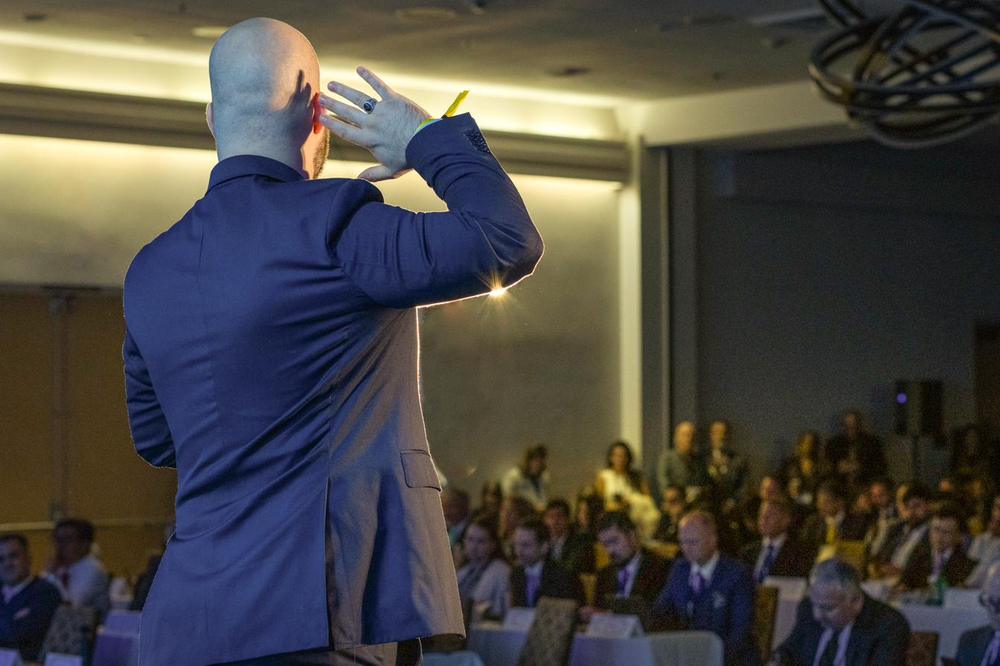
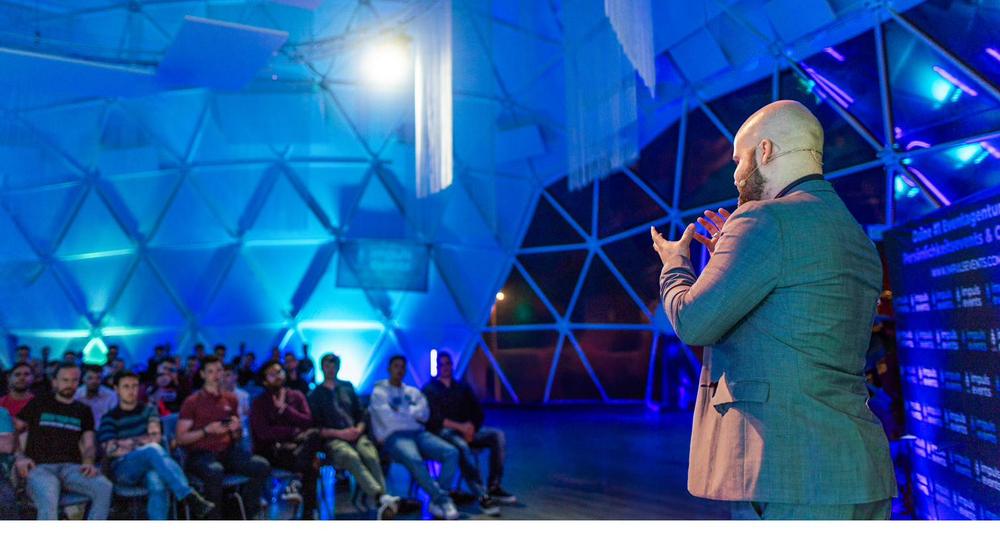
I speak about human change, communication, sales and performance on international stages. Occasionally, there are slides.

Lukas Schulte speaking on a large stage in front of a full conference audience
Lukas Schulte seen from behind, addressing a packed conference room Lukas Schulte speaking to an audience in a blue-lit dome venue

The bald one is me. Usually.

About Lukas

I've died three times. Apparently, I didn't get the message.

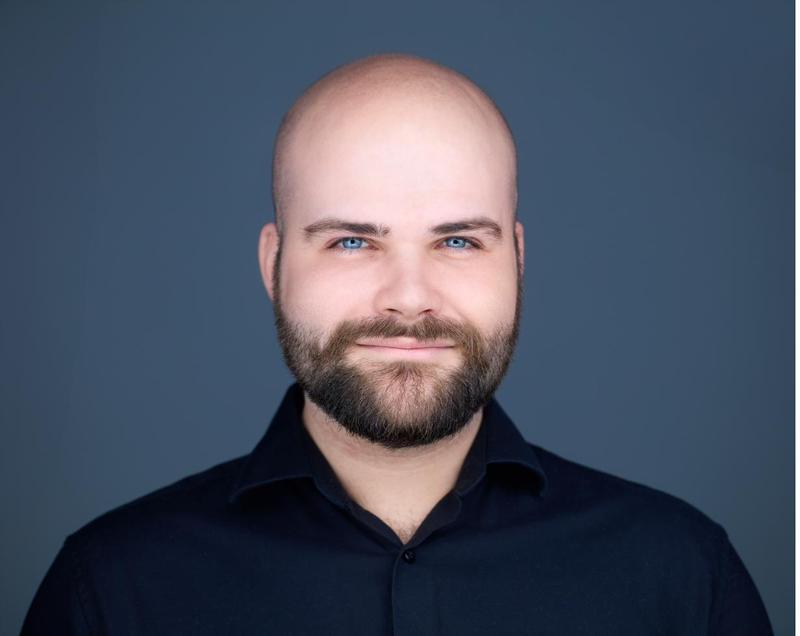
Portrait of Lukas Schulte in a black shirt

I was born without signs of life and had to be brought back three times in my first week. For a long time I read that as a sign that perhaps I wasn't supposed to be here. It took me decades to see it differently.

In between there was a childhood of feeling fundamentally wrong, a stretch of sleeping on other people's sofas, around €100,000 of debt and personal insolvency at 22. Then a business that went from unemployment benefits to €300,000 in revenue within a year, and, years later, a second collapse that taught me more than the first success did.

What finally changed things wasn't another strategy. I'd spent years copying the scripts, business models and personalities of people I admired, and somewhere along the way I'd confused learning from someone with becoming them. When I started using my own words, my own judgement and my own personality, my work began moving again.

You don't have to become someone else to change your life.

Today I've spent more than ten years changing people, and myself along the way. I've worked with more than 2,000 clients in more than ten countries. I've also become increasingly suspicious of anyone who claims to have the one correct answer for everyone.

Read the whole story

I was born without signs of life. The umbilical cord had wrapped around my neck twice. I was resuscitated, suffered cardiac complications and, shortly afterwards, developed blood poisoning. My heart stopped again. Three times in my first week, I had to be brought back. Not exactly a promising start.

Growing up feeling like a mistake

My childhood wasn't particularly happy. My mother could be protective, but also deeply hurtful. I grew up feeling weak, inadequate and fundamentally wrong. A small mistake could mean days of silence. My father was largely absent.

So I looked elsewhere for people to admire. Aragorn. Vegeta. Anakin Skywalker. Fictional characters who stood for something, who fought for what they believed in and who seemed to know exactly who they were. I wanted to be like them. Unfortunately, I was rather convinced that I wasn't worth very much at all.

That belief followed me into adulthood. I struggled at school, dropped out of further education and took a job in a nursing home, hoping that doing something meaningful might finally make me feel meaningful. It didn't. I became exhausted and increasingly disconnected from myself. I'd also convinced myself that no woman deserved to waste her time on someone like me, which is a rather effective way of making sure nobody gets close.

A hundred thousand euros and absolutely no idea

Eventually I ended up working as a waiter. I was good with people. I could build rapport, read situations and make others feel comfortable. In fact, I became so good at understanding other people that I could often work out what they needed from me, which was convenient, because I had very little idea who I was without their approval.

I stopped paying rent, lost my apartment and spent a period moving from sofa to sofa, somehow convinced that this was simply the kind of life I deserved. Then I was offered the chance to manage a bar. People warned me the owner couldn't be trusted. Naturally, I decided this was an excellent opportunity.

A year later I was facing approximately €100,000 in debt. Bills and taxes hadn't been paid, and I was left with the consequences. At 22, I went through personal insolvency. If you're looking for an inspirational business success story, we're off to a somewhat unconventional start.

The first breakthrough

Somewhere in all of this, I'd developed a fascination with the human mind and human behaviour. I was also living with fibromyalgia, a chronic pain condition that began when I was seventeen, and with depression. For more than a decade, pain was part of my everyday life. Working on my own mind became an important part of how I approached my own struggles, and the more I explored it, the more one question fascinated me: what actually makes people change?

I also discovered personal development and entrepreneurship. While receiving unemployment benefits, I somehow put together €15,000 for a year-long mentorship. Seven weeks later I'd earned it back. Within six months I'd generated €100,000, and after a year the business had reached €300,000 in revenue. I thought I'd finally figured it out. I hadn't.

Well, shit. Here we go again.

Years later I found myself in front of an almost empty bank account. I had to leave my apartment because the owner needed it back. Client engagements had ended, and I hadn't paid enough attention to what that meant for my income. So I did what had worked before. I invested in coaches, consultants, mentors and strategies, followed the systems and tried harder. Nothing seemed to work.

The worst part wasn't the money. It was the familiar thought creeping back into my head: I'm worthless. Again.

The moment I realised something had changed

At some point I caught myself thinking that I was homeless again. And then I realised I wasn't. I was living with my partner, a wonderful woman who loved me, supported me and believed in me when I had very little belief left in myself. She didn't love the successful entrepreneur. She loved me. That was rather inconvenient for the story I'd spent my whole life telling myself. If I was only worthy when I was successful, why was someone still there when I wasn't?

The problem with becoming someone else

Looking back, I could see what had happened. I'd spent years copying people I admired: their sales scripts, their marketing, their language, their business models, their way of presenting themselves. I'd learned a great deal from them, and I'd built a collection of masks along the way. The successful entrepreneur. The confident salesman. The man who had everything under control. Underneath all of them was someone still trying to prove he deserved to exist.

So I started changing that. I turned scripts into flexible frameworks and began using my own words, my own judgement and my own personality, including the parts I'd previously tried to hide. Gradually, my work began moving forward again. There was no magical formula involved. I was finally allowing myself to use what I'd spent years developing.

Why SCHULTE. exists

Today my work takes three forms. In coaching, I work with people on personal challenges, fears, stress and patterns that have stayed despite their efforts. Through DARK HORSE, I work with entrepreneurs who want to question assumptions and build businesses that make sense for them. In training, I teach practitioners to understand change more deeply and to trust their own judgement.

Sometimes the problem is that you're trying incredibly hard to be someone you're not. Perhaps the next chapter can be about finally allowing yourself to be who you are.

For much of my life, I believed I'd survived my first week despite a world that didn't want me. Today I see it differently. I didn't die three times because life wanted to get rid of me. I survived three times, because life wanted me here.

You are not wrong for being who you are. Your individuality might be the very thing you've been overlooking.

Welcome home. Lukas

What I believe about change.

People before methods

Methods are supposed to serve people. A method becomes famous through good marketing, which says little about whether it fits you.

Question the obvious

Something can be widely accepted and still be wrong for your situation.

Understanding isn't changing

You can understand a problem perfectly and still have it. Insight is a fine start and a poor finish.

Complexity isn't competence

Complicated problems often have surprisingly simple levers. A forty-slide strategy is usually forty slides long.

Freedom matters

Good work leaves you more independent, of me, of any method and of any authority.

Take the work seriously. Never yourself.

How a first conversation works.

Good conversations about working together feel like two people trying to work out whether something makes sense. Rather less exciting than "seven psychological closing hacks", admittedly.

  1. You tell me where you are

    What's working, what isn't and what you've already tried. I ask the questions that show me where the problem actually sits.

  2. I tell you how I see it

    How I'd approach it, what the first steps would be and where the lever is. You keep that, whatever happens next.

  3. I name the format and the price

    If working together makes sense, I tell you which format fits and what it costs, plainly. If you'd like to meet in person, say so here and we'll arrange it.

  4. You decide

    Whether it fits, whether the timing is right, and whether you want to start now. I won't try to talk you into anything.

Book a first conversation

60 minutes, free, no sales show.

Questions people ask.

Which of the three is right for me?

If it's about you, your reactions or a pattern, it's coaching. If it's about how your business works, it's DARK HORSE. If it's both, which happens more often than you'd think, we'll work out the right starting point in the first conversation.

I've tried everything. Why would this be different?

Then you've done your part. Most approaches start with what you know, and you already know a great deal. I work on what keeps the problem in place, whether that's a reaction in you or an assumption in your business. People who've done a lot of work before usually save us the warm-up.

What does it cost?

It always depends on your situation: what we're working on, how deep we go and how long we work together. Prices are available on request, and you'll hear yours in the first conversation as soon as we both know it fits.

Do you work online?

Yes, all of my work happens online, wherever you are in the world. In-person work is available on request. If that matters to you, mention it in the first conversation and we'll sort out the details there.

Is it discreet?

Yes. What we discuss stays between us, with an NDA on request, no names and no references. That applies equally to people in public positions.

Doing the same thing again and hoping it'll turn out differently is a rather questionable strategy.

There's usually another way to look at it, and quite often that's where change begins. Let's find out whether that's true for yours.

Worst case, you leave with a second opinion.